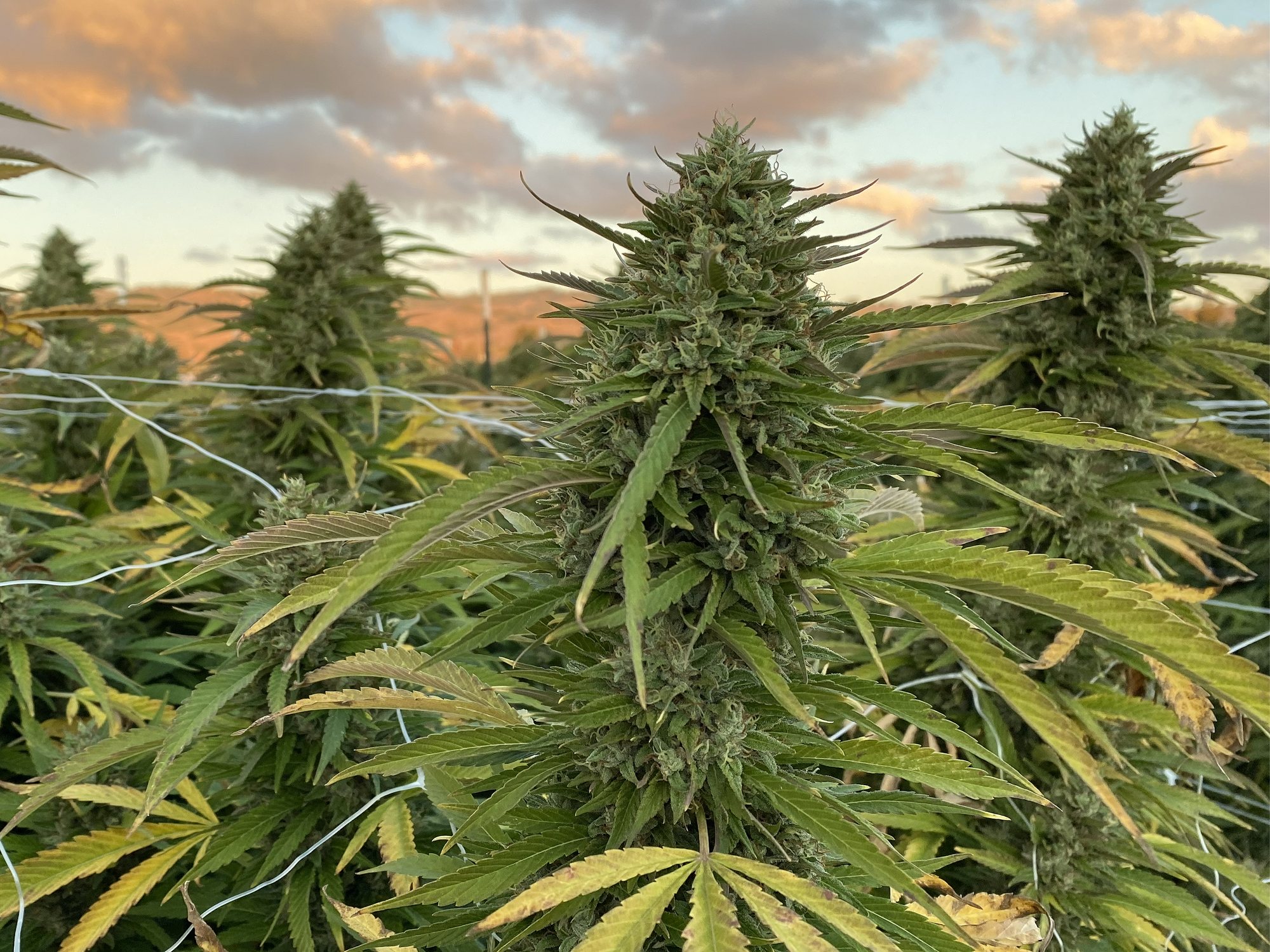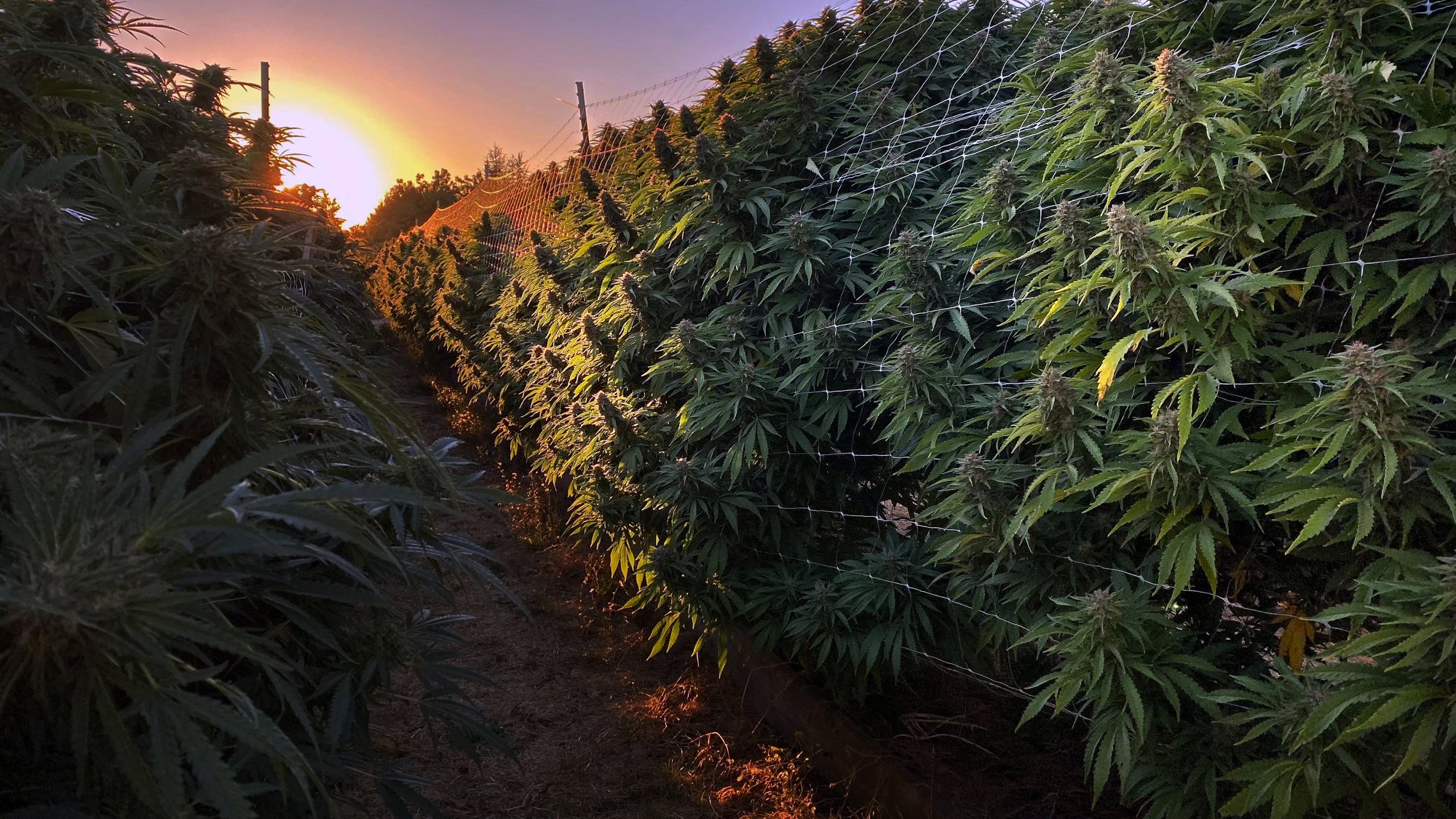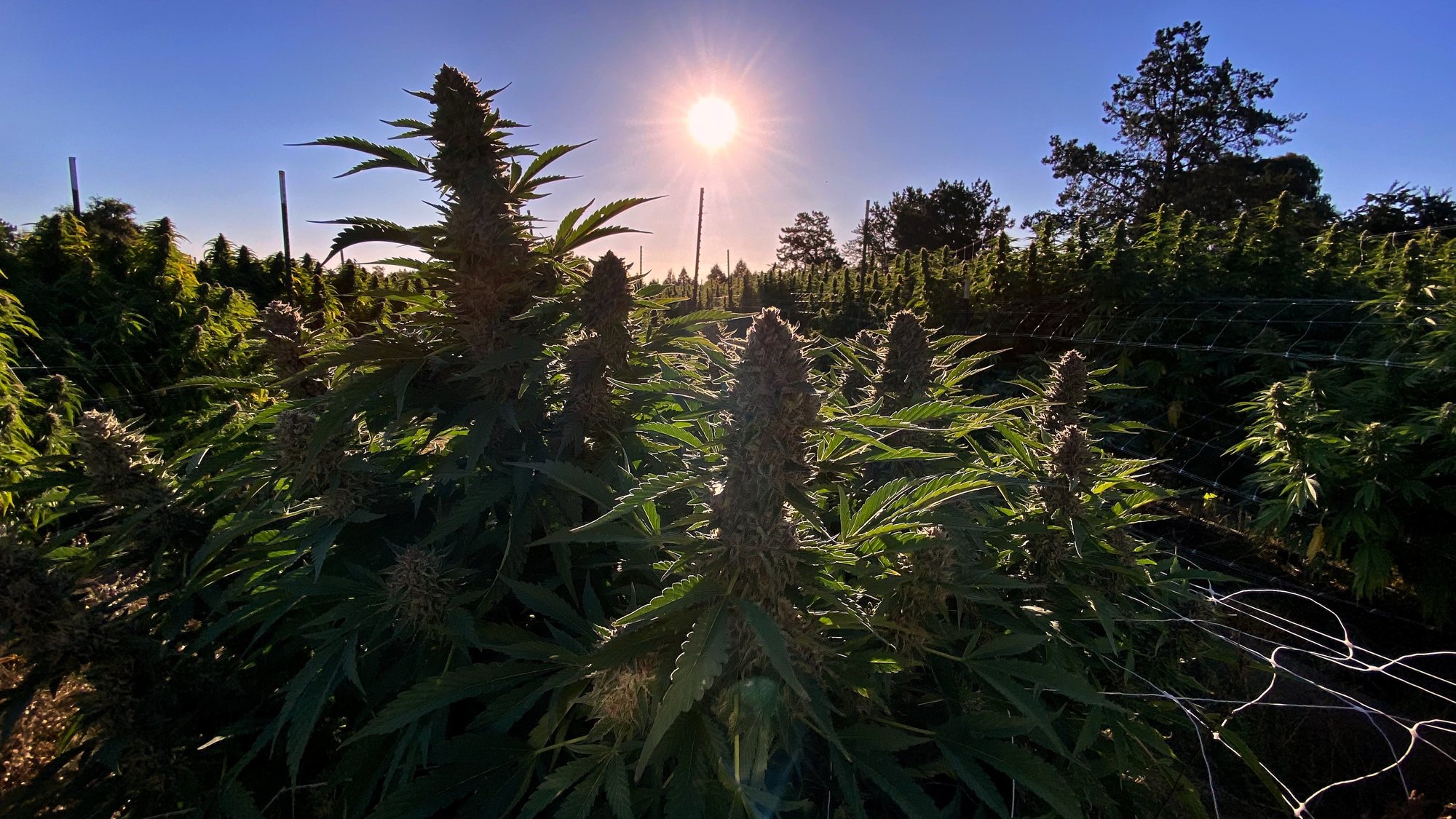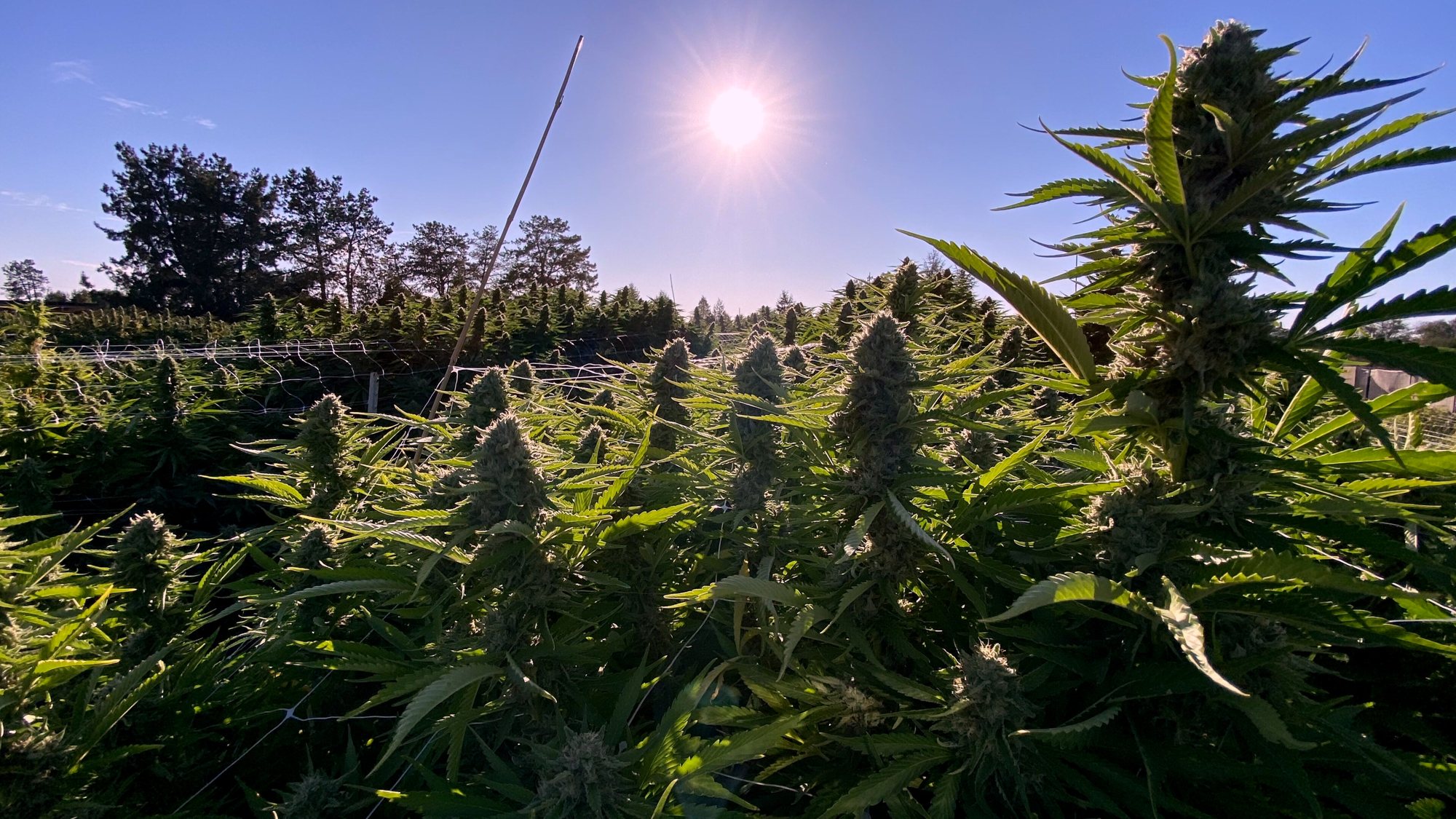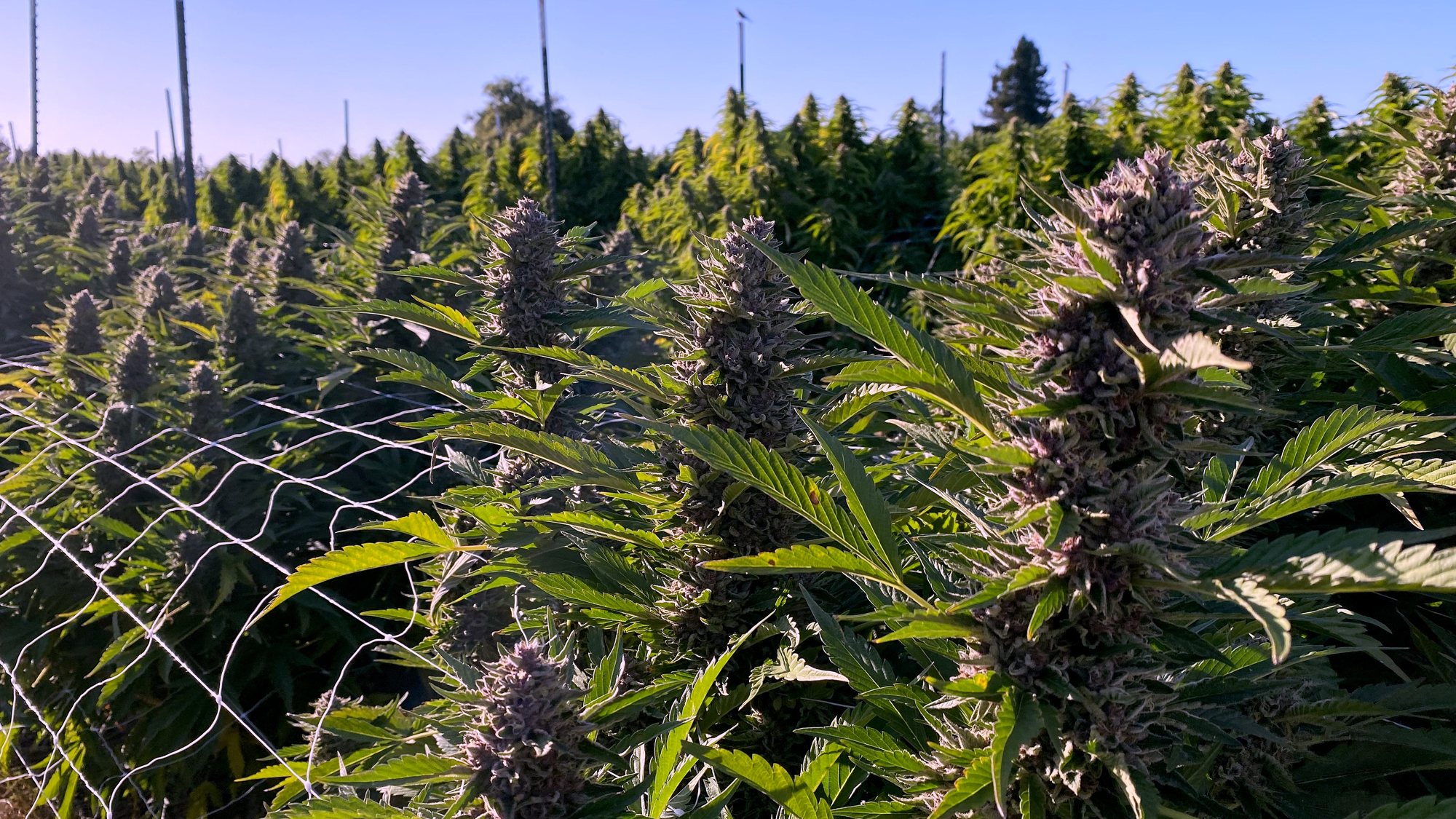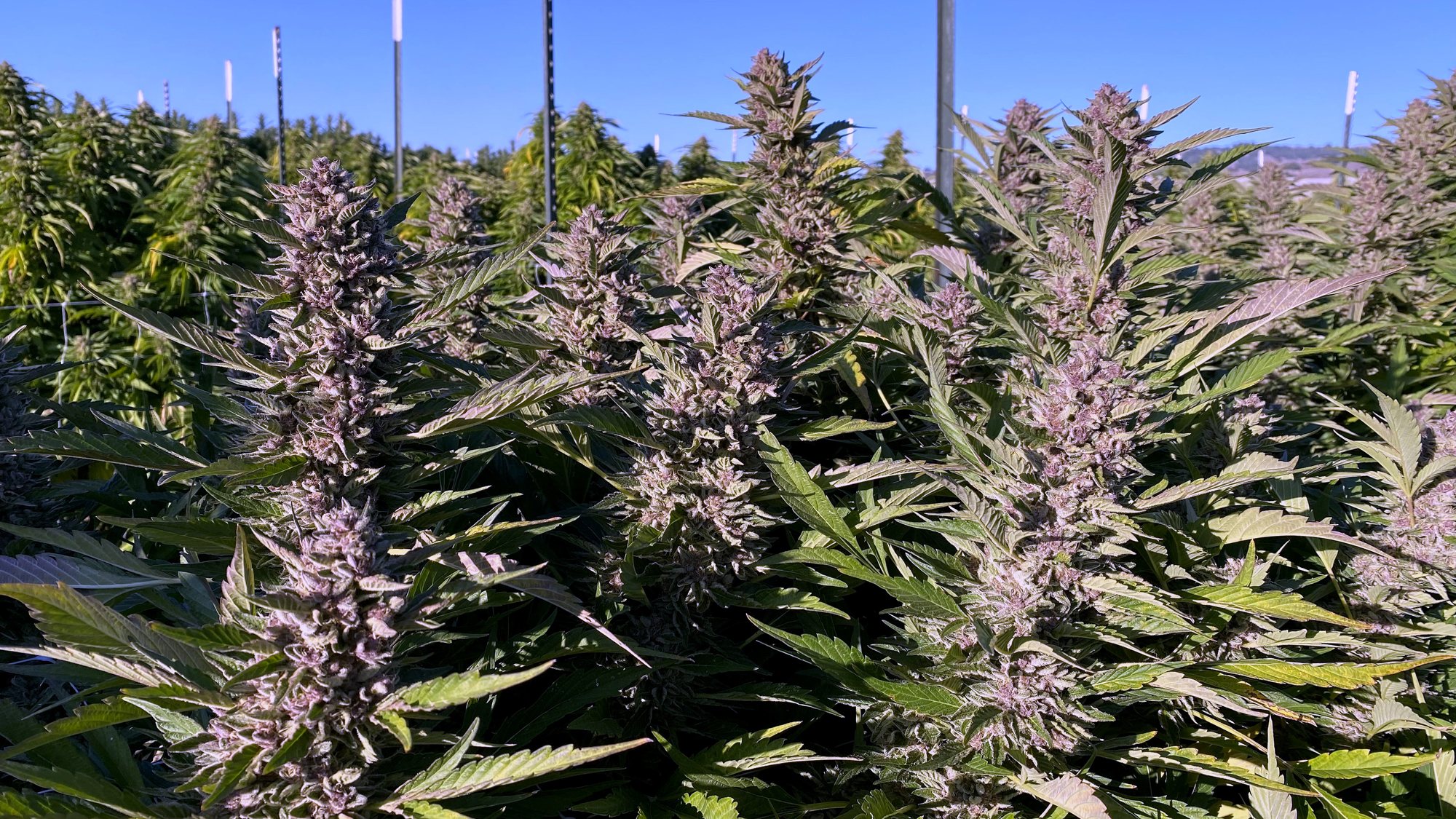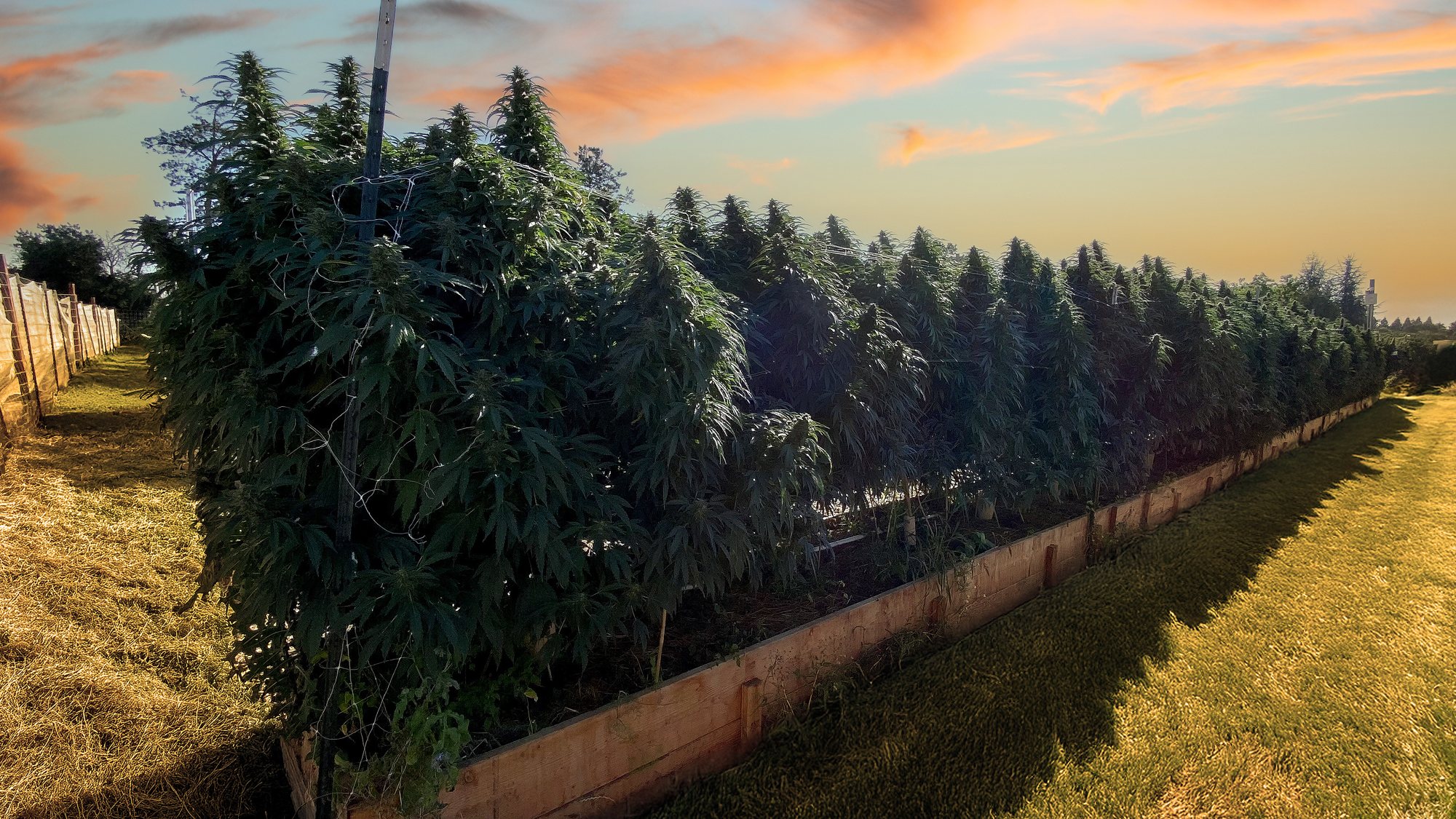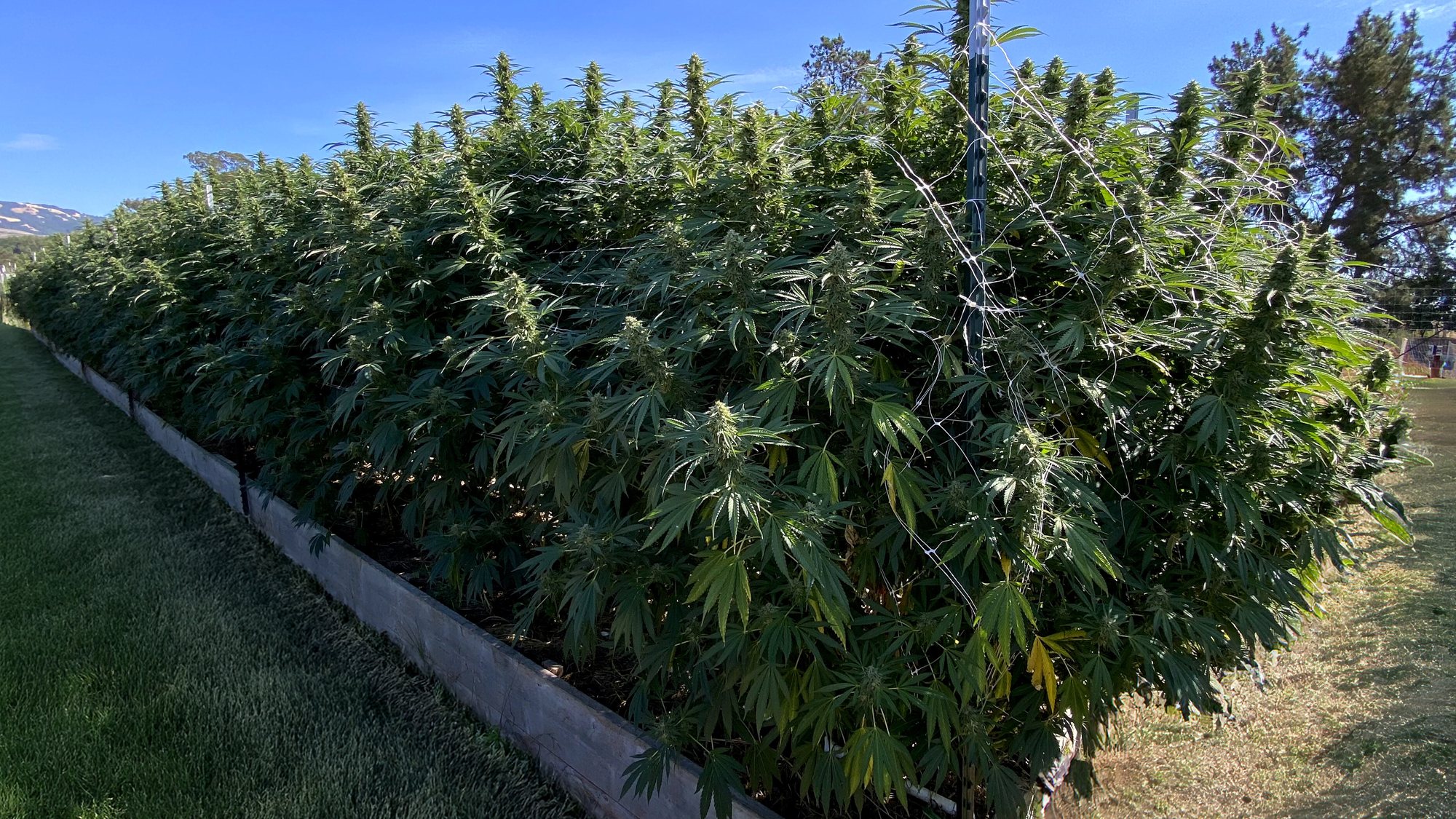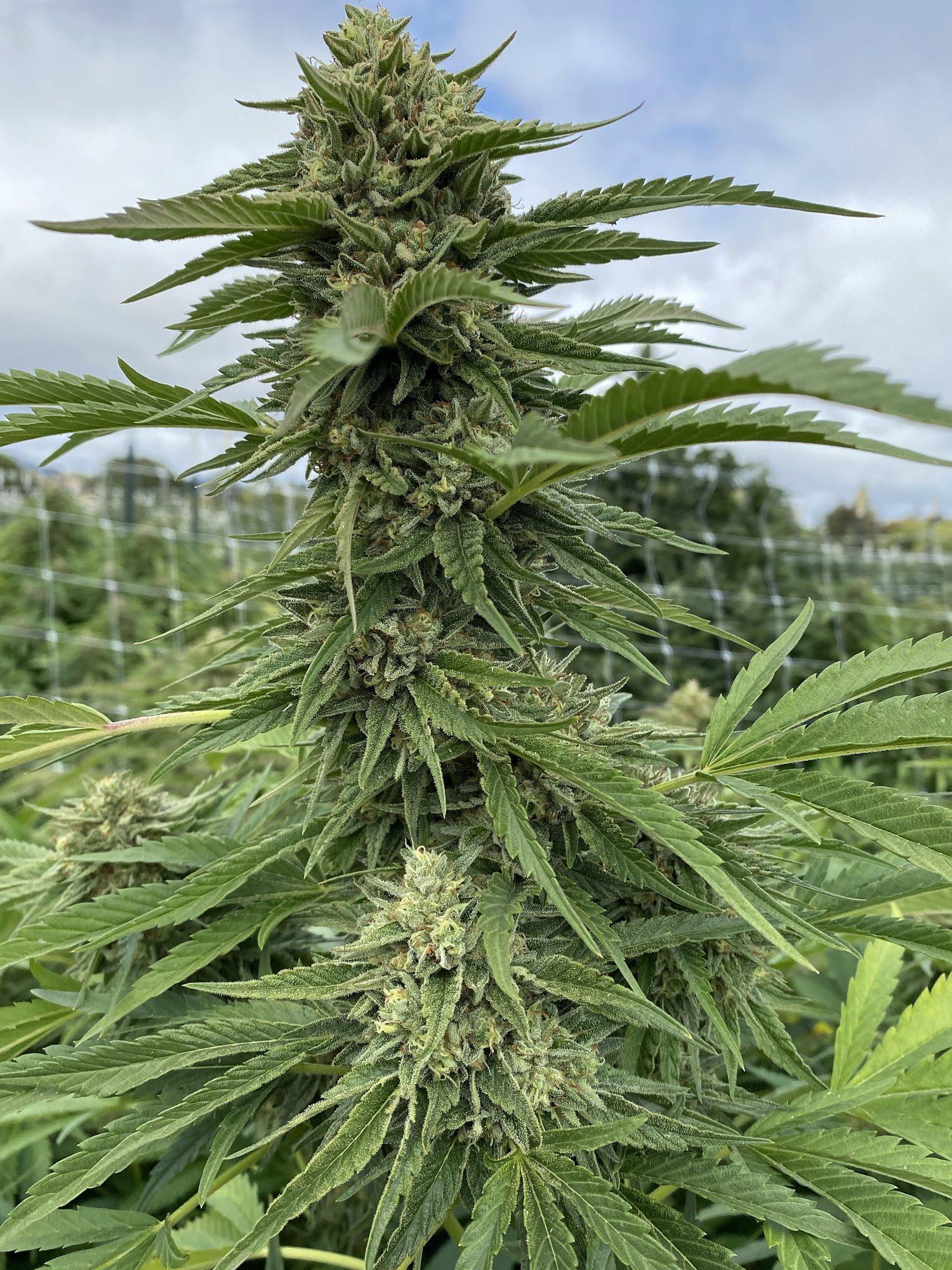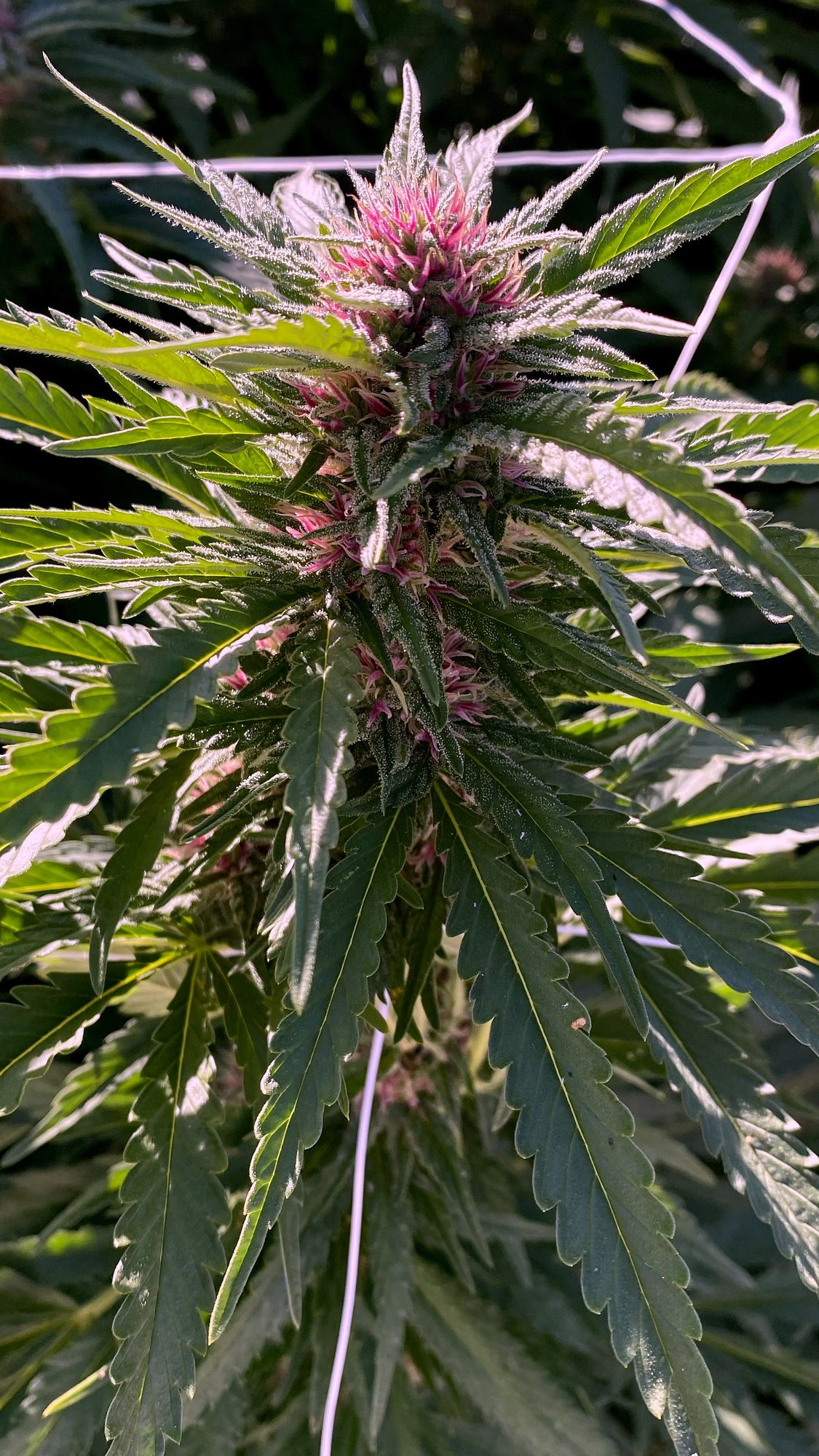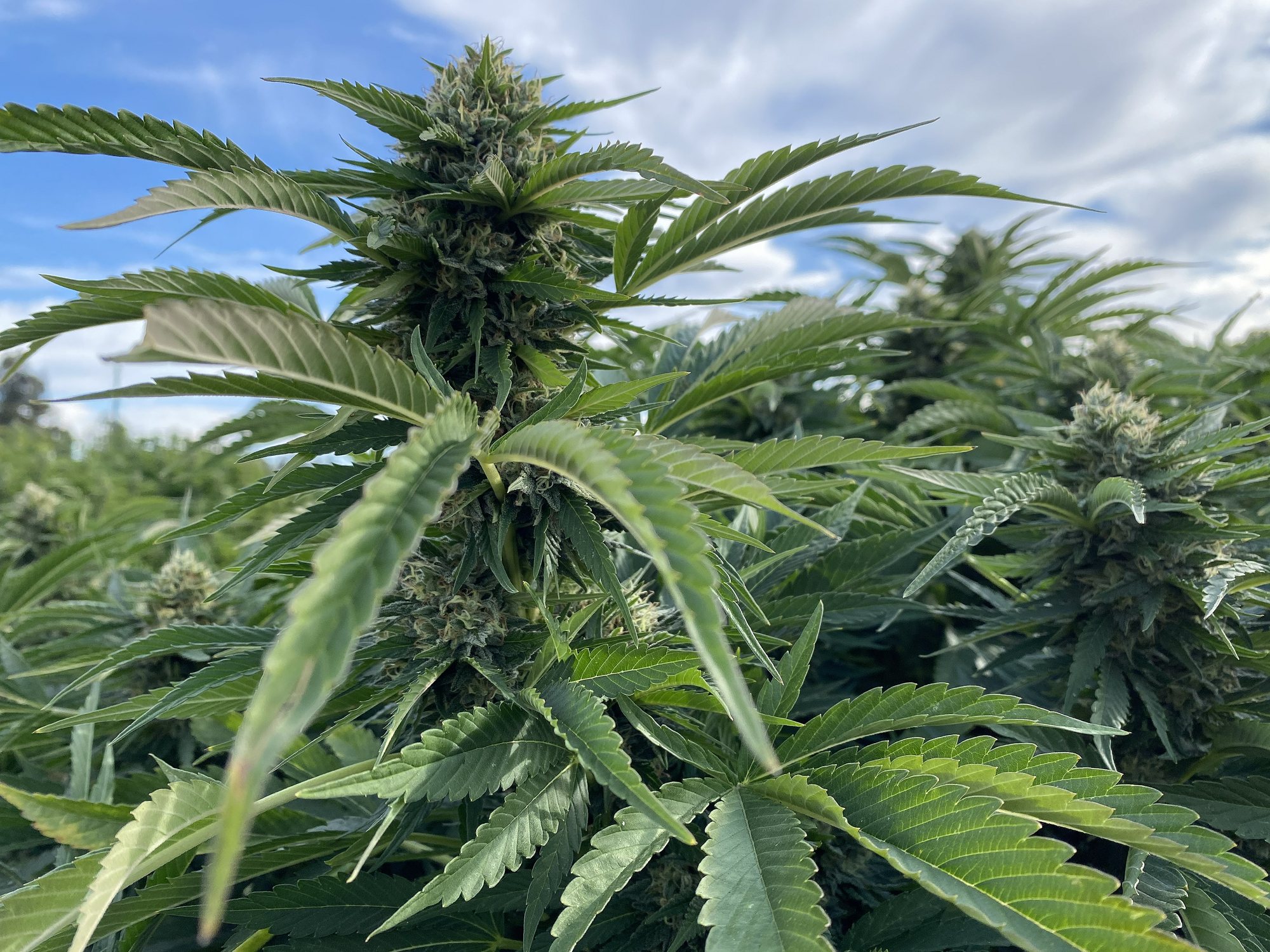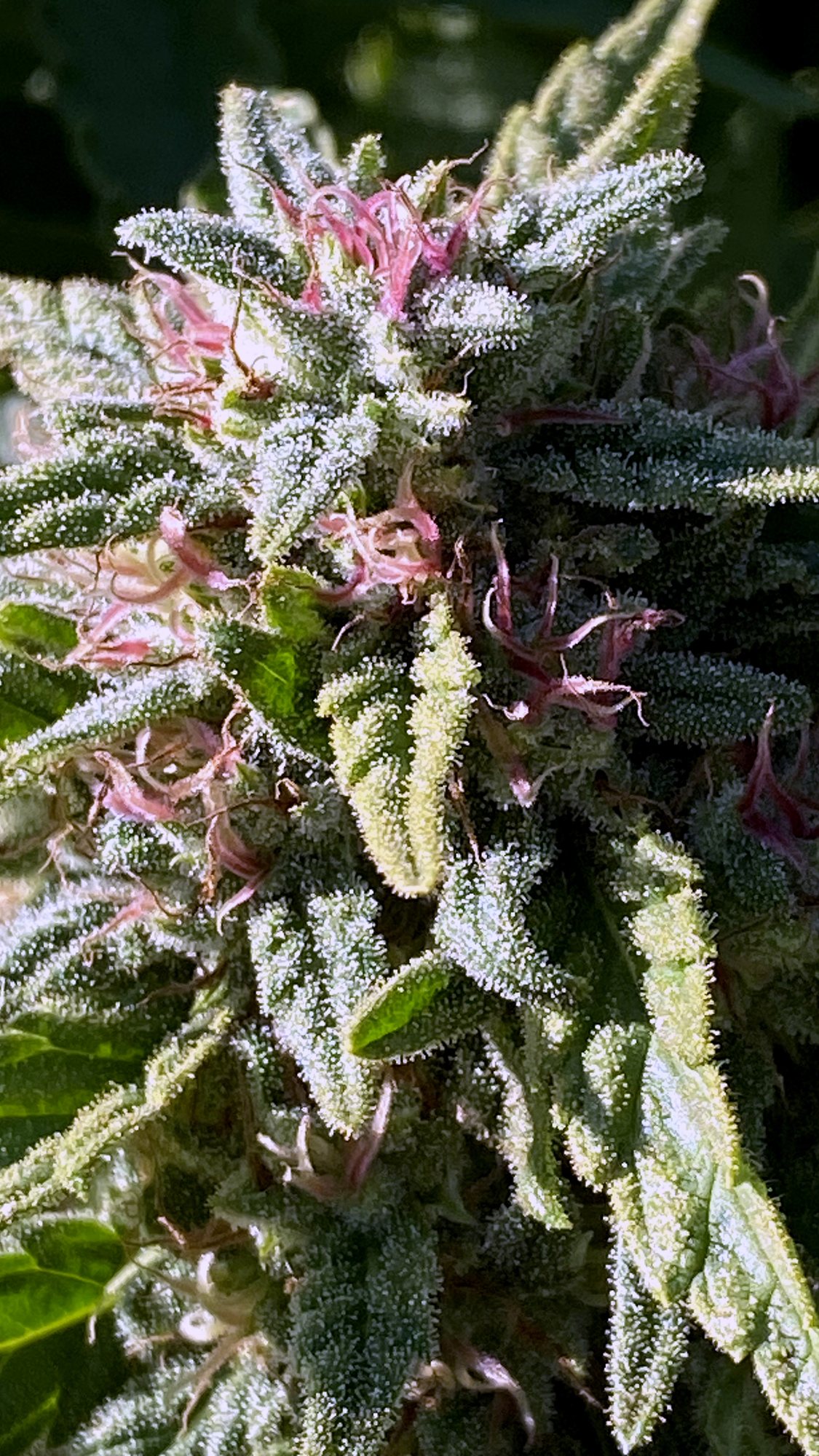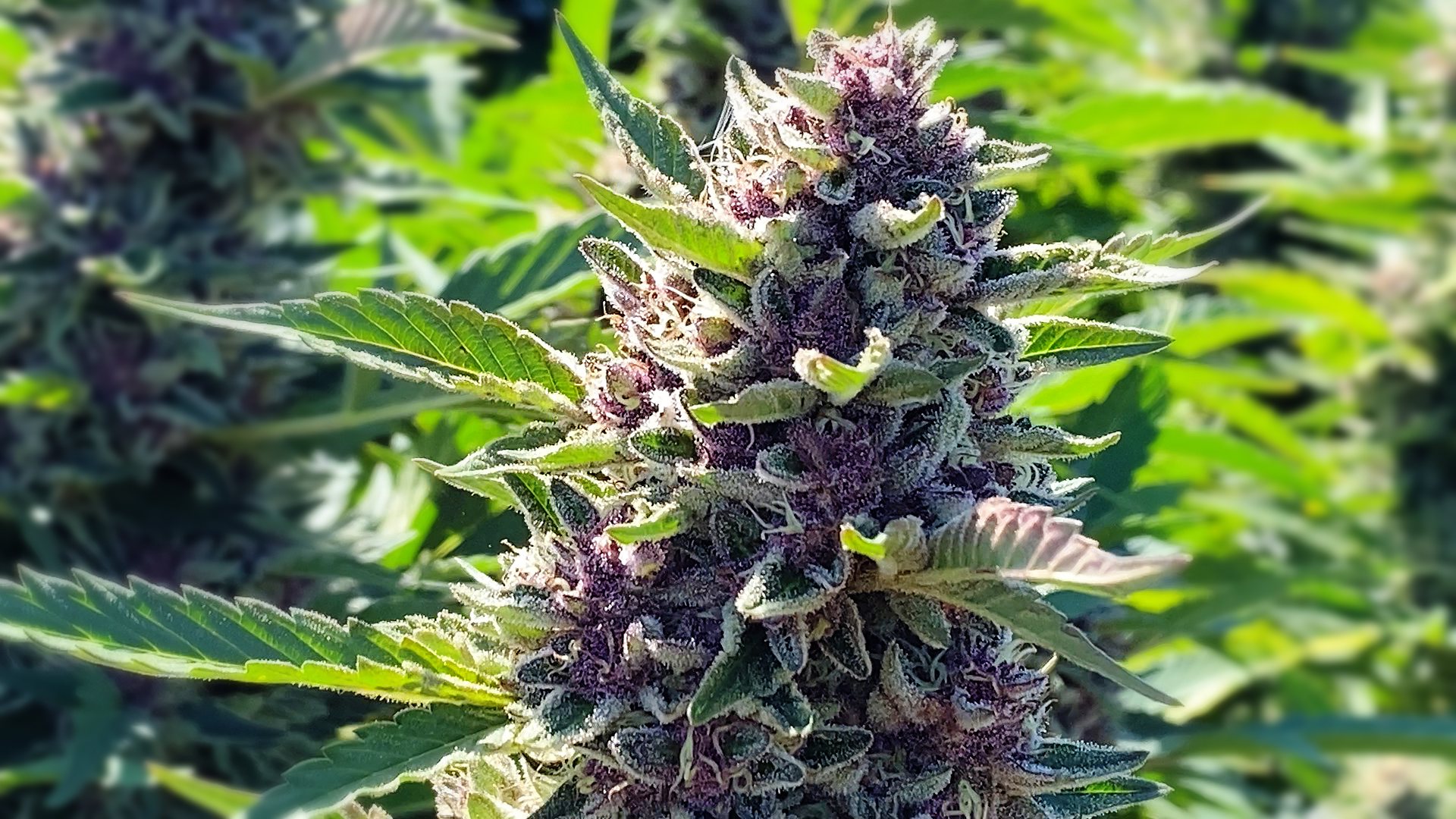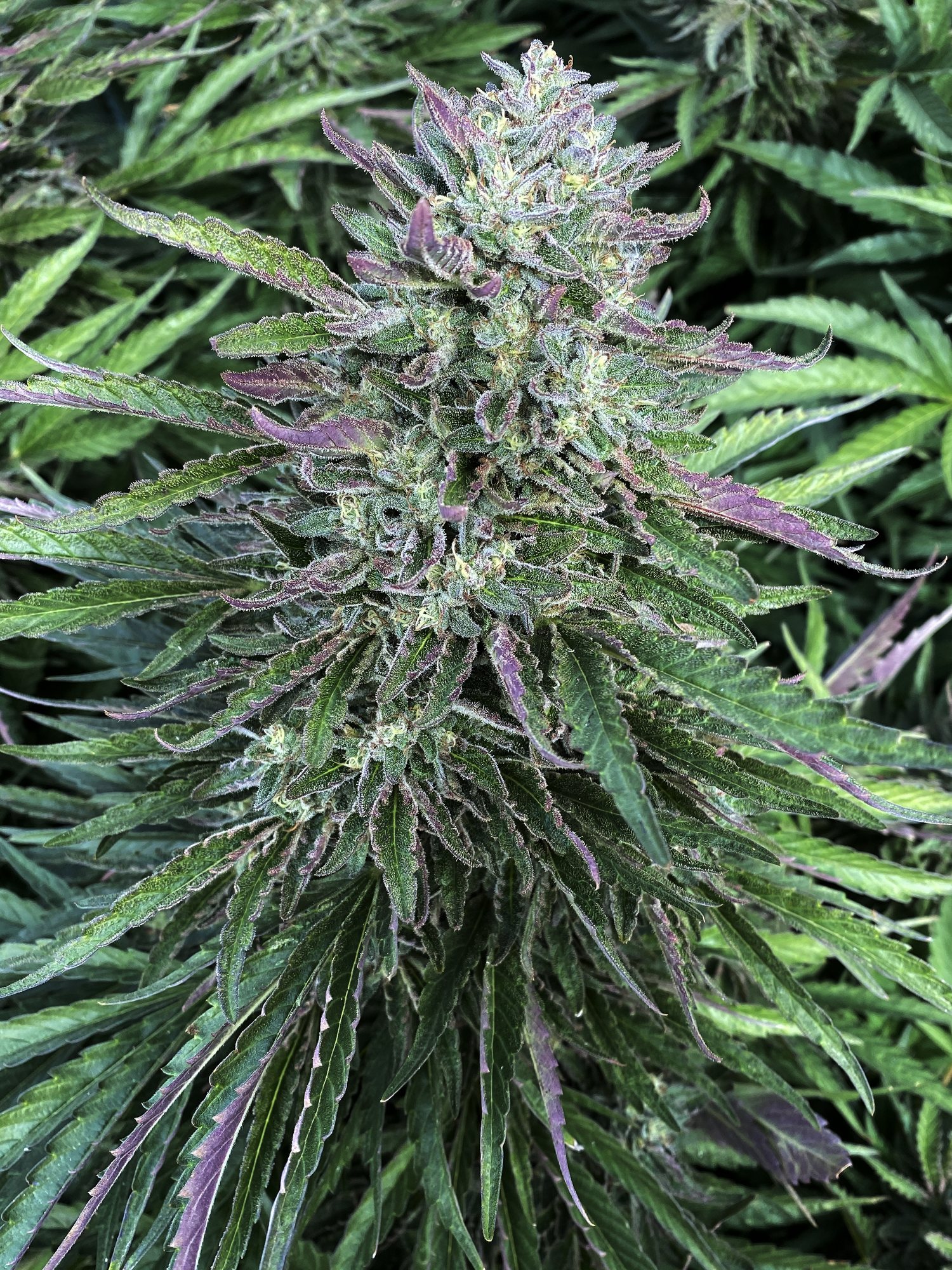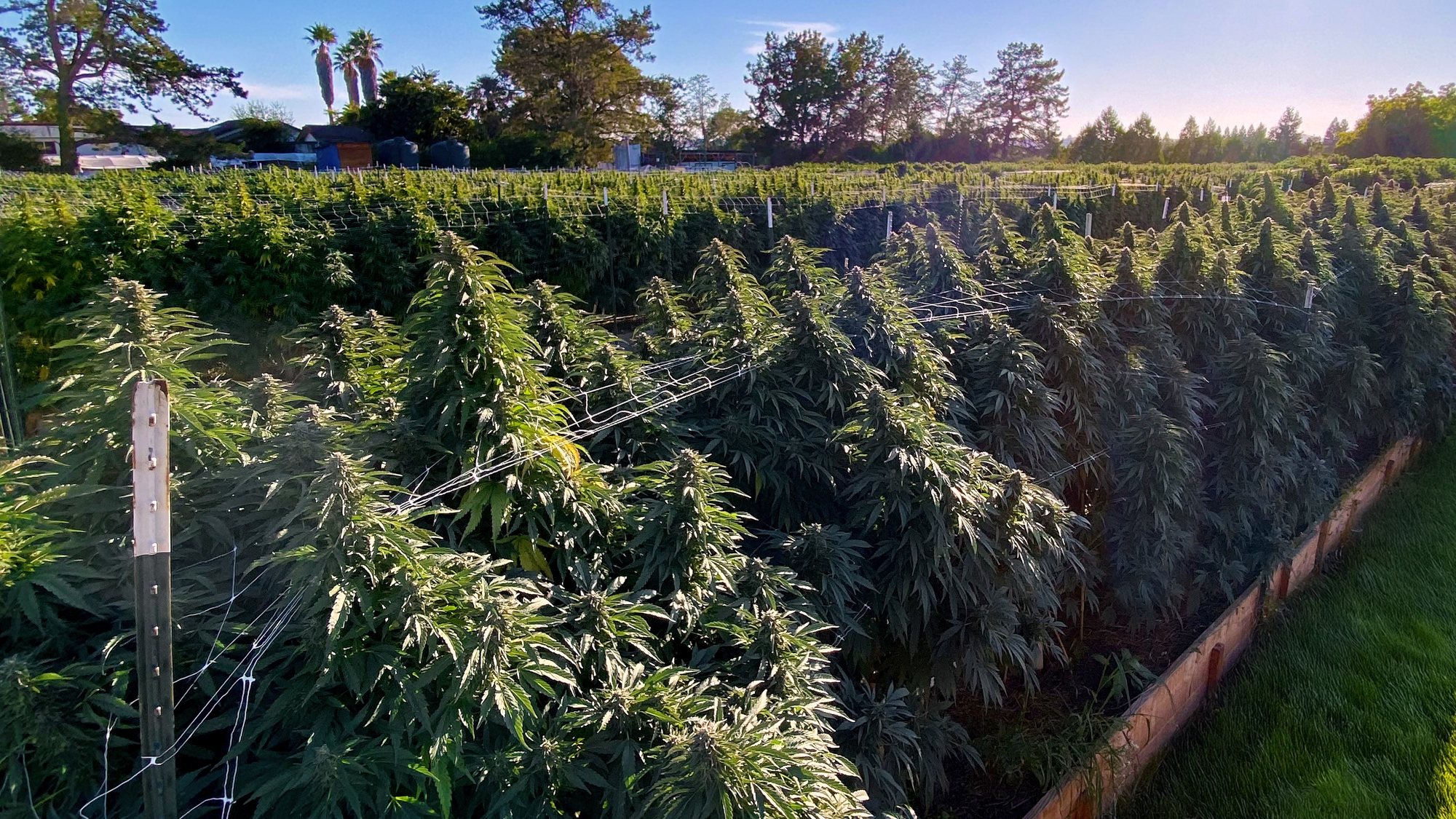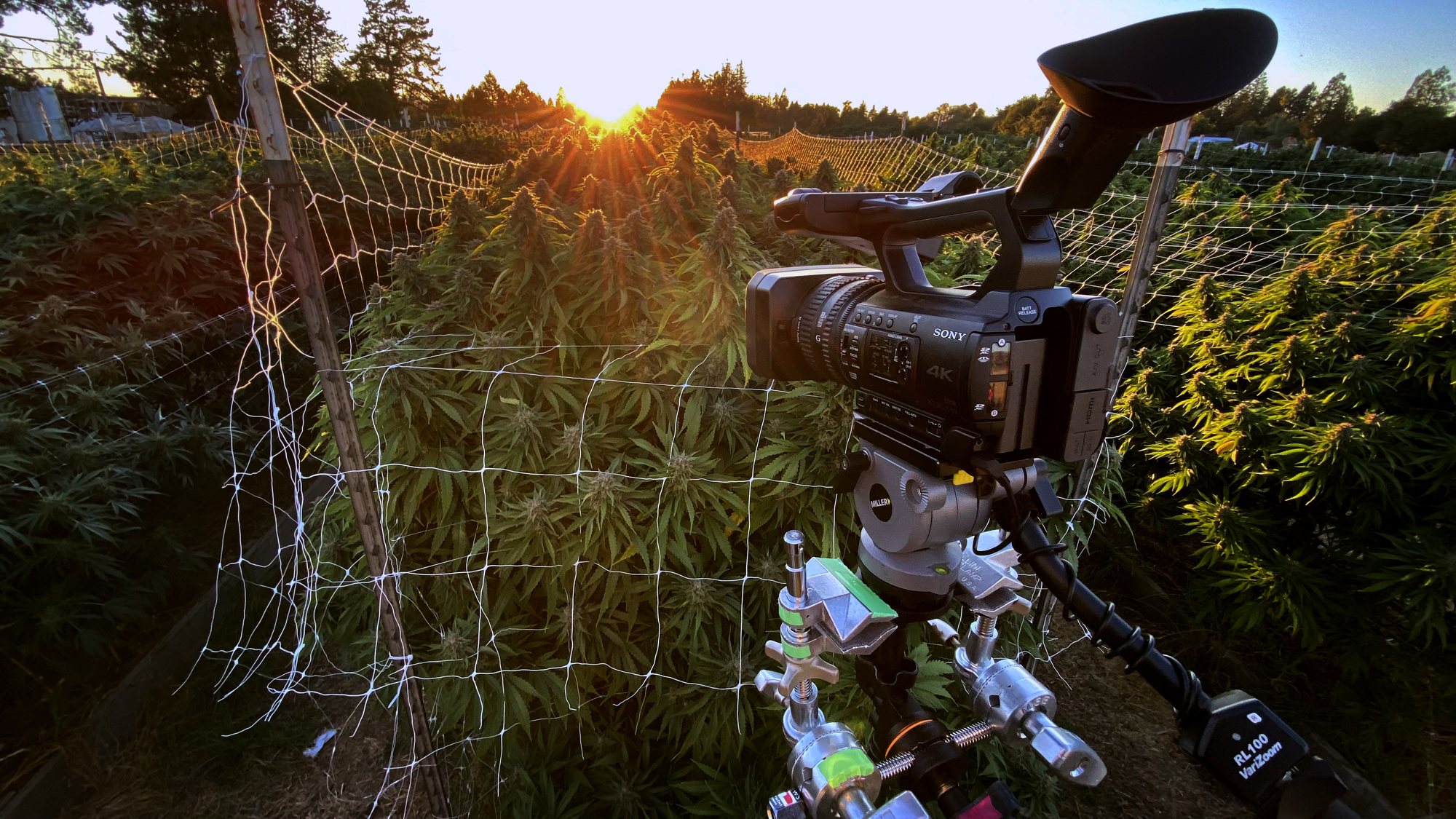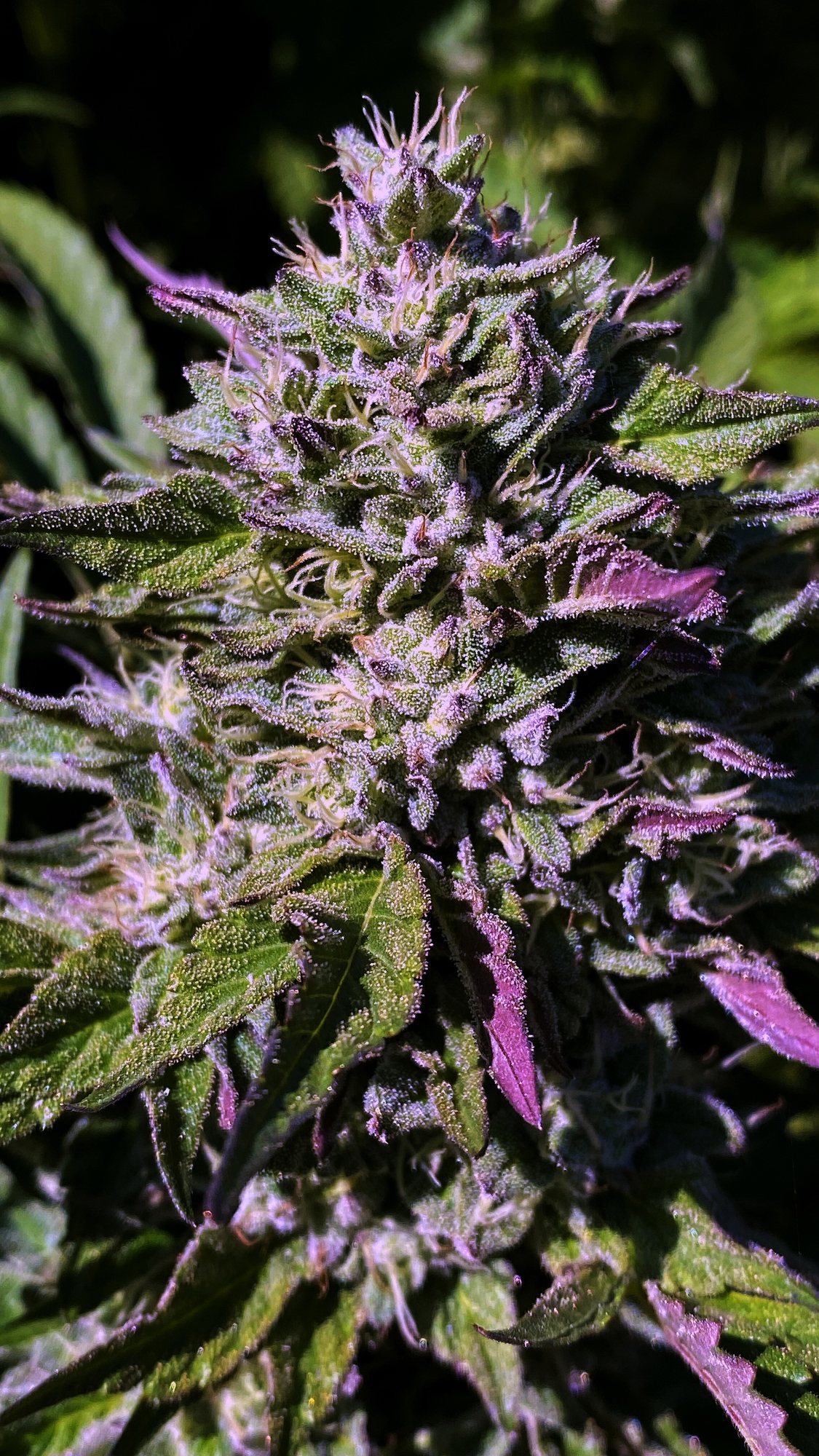
Luma operates a licensed half acre canopy in Penngrove, Sonoma County, in the Petaluma Gap. The farm produces fresh frozen material exclusively. No portion of the crop is dried, cured, or sold as flower. Everything grown here is grown to be washed.
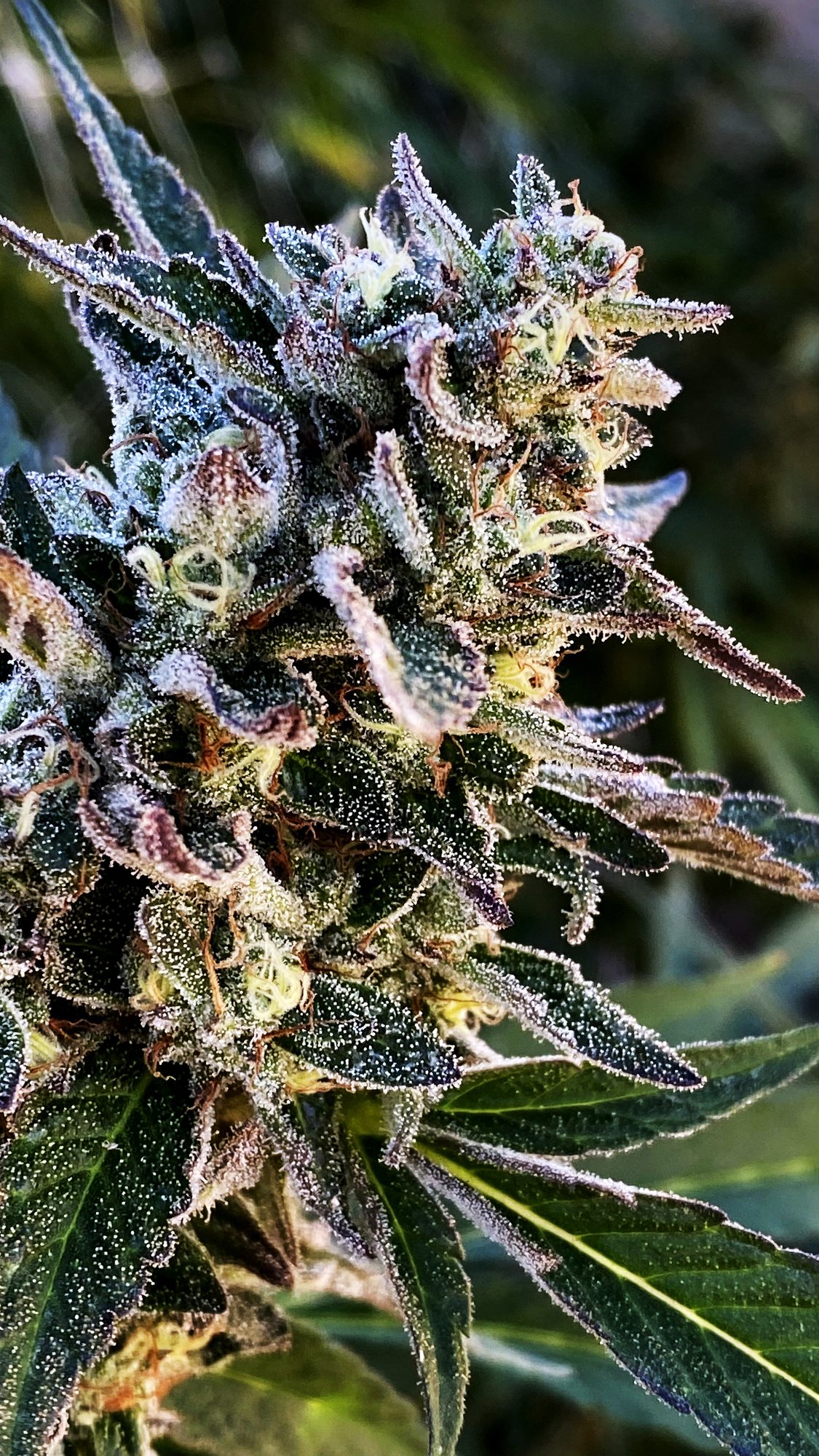
That single fact changes how we farm. Growing for resin is not the same as growing for flower. We are not protecting bag appeal or building density for a jar. We are protecting trichome heads, which means we time the season around resin maturity rather than finished structure, and we feed and irrigate toward that target from the first week in the ground. Plants are cut individually by hand during night hours and placed into sub zero storage immediately. Harvest stops when field temperature climbs past our threshold. The intent is to move intact heads into freezing before thermal degradation begins.
The Petaluma Gap is a low break in the coastal hills, one of the few places where marine air off the Pacific can push inland instead of being blocked by the ridge. Fog and wind come through nearly every afternoon in the second half of the season and can pull twenty degrees off the day before dark. The plants get warm sun through the middle of the day and then a hard cool down every evening. That swing matters because the lightest and most volatile terpenes are the first ones to cook off, and in hot inland growing regions they are largely gone by the time the plant comes down. Here they are still in the plant at harvest. It is the same reason this stretch of Sonoma County is its own designated growing region for wine grapes, and it does the same work for cannabis.
The beds are open to the native soil rather than isolated in pots or bags, so the root zone extends into the existing profile and the microbial community below it. We built them in 2020 and have not tilled them since. Undisturbed soil keeps its fungal networks intact, so mycorrhizal associations that take years to establish are still working here instead of being severed every spring. Seven seasons of root mass remain in place, cycling nutrients back through the profile on their own timeline.
Almost everything the farm produces goes back into the ground it came from. We make our own thermophilic compost, worm castings, bokashi, and Jadam ferments on site, and we bring in what we cannot make ourselves. Cover crops and companion plants stay in the beds all season. When we top, that material goes back down. After harvest the stalks and stems run through the chipper and get laid back over the beds they came out of. We do not apply synthetic salts at any point in the cycle, which means there is nothing in the material that has to come back out later in the wash.
We test the soil and we farm off what the results actually say. The program is rebuilt every year around that data because the soil keeps changing, and the amendments that made sense in year three are not the amendments that make sense now. It has gotten better every season and it will be better next season than it is today.
That is the whole point of doing it this way. A plant can only give back the flavor that was available to it, and everything available to ours came out of seven years of the same ground, the same fog, and the same hands. What we are chasing is the taste of this specific place, as clearly as we can get it into the freezer with ultimate preservation.